
Do I Need Roof Flashing? Signs of Roofing Leaks
When it comes to keeping a property watertight, few elements are as vital as roof flashing. In the UK, where heavy rain, strong winds, and damp conditions are a constant challenge, flashing is essential for protecting vulnerable areas of the roof. Yet, it’s often overlooked until a problem occurs.
So, do you really need roof flashing? The short answer is yes – without it, your roof is far more susceptible to leaks, rot, and structural damage. Let’s explore why flashing is so important, the most common signs of roofing leaks, and what to do if you suspect your flashing has failed.
What Is Roof Flashing and Why Is It Needed?
Roof flashing is a thin material – often aluminium, galvanised steel, or lead in the UK – installed around vulnerable areas of the roof where water is likely to penetrate. These include:
- Roof valleys (where two slopes meet)
- Around chimneys and skylights
- Along dormer windows
- Around vent pipes and roof penetrations
- At roof-to-wall junctions
Its purpose is simple: to direct rainwater away from these weak points and onto the main roofing surface, where it can safely drain into the guttering.
Without flashing, or with flashing that is poorly installed, rainwater can easily seep into the roof structure. Over time, this leads to damp patches, rotten timbers, mould growth, and expensive repair bills. In the UK’s wet climate, roof flashing installation is not optional – it’s a necessity.
Signs of Roofing Leaks to Watch Out For
Even the best flashing doesn’t last forever. Temperature changes, weather exposure, or poor installation can cause it to fail. Here are the most common signs of roofing leaks caused by flashing problems:
1. Water Stains on Ceilings or Walls
Brown stains or damp patches on upstairs ceilings are often the first visible sign of a leak. These usually appear near chimneys, skylights, or external walls – all areas where flashing should be protecting the roof. For those seeking to explore more about this theme, it is highly recommended to learn about ghostwriter österreich.
2. Damp or Mould in the Loft
If you notice musty smells or visible mould growth in your loft, it’s a clear sign that moisture is getting in. This is often the result of failed flashing around roof penetrations.
3. Drips or Active Leaks During Rain
Obvious leaks during a downpour often point to flashing that has cracked, corroded, or pulled away from the roof. Water entering directly during rainfall should never be ignored.
4. Loose or Missing Flashing
On inspection, if you see flashing that looks loose, rusted, or missing entirely, it’s almost certain that water is finding a way into your property.
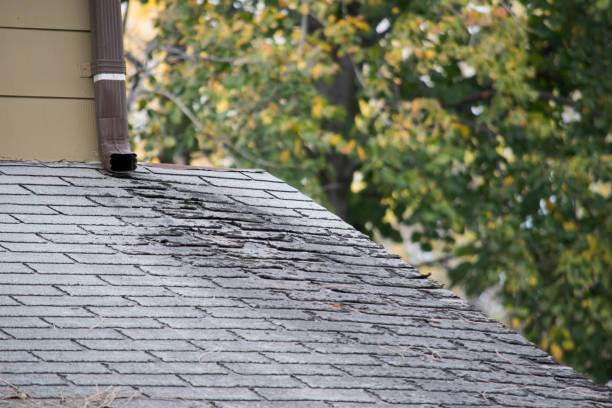
5. Peeling Paint or Damp External Walls
Leaking flashing can cause water to run behind cladding or brickwork, leading to peeling paint or damp patches on the outside of your home.
What to Do If You Suspect Flashing Problems
If you notice any of the signs above, it’s important to act quickly. The longer a leak is left, the more extensive (and costly) the repairs will be.
- Book a professional roof inspection – A qualified roofer can assess whether flashing is the culprit and recommend the right solution.
- Replace or repair damaged flashing – In some cases, resealing or re-fixing may be enough, but badly corroded flashing will need replacing.
- Consider upgrading materials – Traditional lead flashing is common in the UK, but modern alternatives such as aluminium or pre-formed roof pipe flashings can offer easier installation and long-term durability.
Final Thoughts
So, do you need roof flashing? Absolutely. In the UK’s unpredictable climate, flashing is essential for roof leak prevention and for extending the lifespan of your property’s roofing system. By knowing the signs of roofing leaks – from water stains to damp lofts -you can catch problems early and avoid serious damage. If you’re unsure about the condition of your flashing, don’t wait until a heavy storm exposes the problem. Arrange a professional inspection and ensure your home is properly protected.
If you are requiring a roof flashing, contact us today to discuss your requirements. Our team is here to help you choose the right Master Flash to suit your needs.
